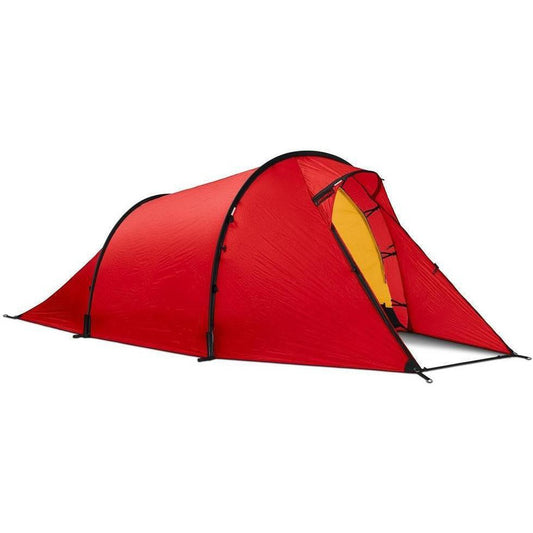
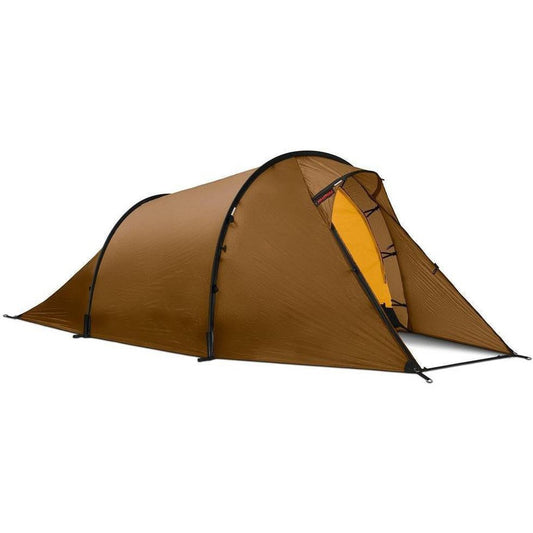
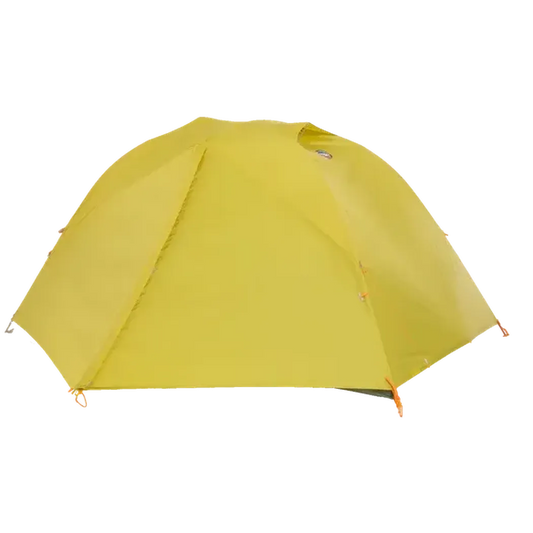
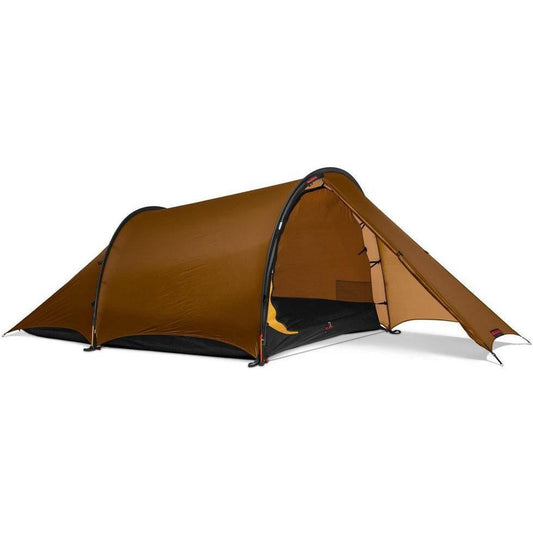
Camping Tents: Find the Best Tents for Camping and the Outdoors
Whether you are car camping with the family, thru-hiking the Appalachian Trail, or setting up a backcountry basecamp, the right camping tents make all the difference. Browse our curated selection of outdoor camping tents built for real conditions, from lightweight backpacking shelters to spacious family setups with full waterproof protection for every season.
Shop Our Camping Tents Collection
Our camping tents collection covers every outdoor adventure style and budget. Whether you need compact tents for camping solo or large cabin-style shelters for group trips, every tent in our lineup is selected for durability, weather performance, and practical usability on the trail and at the campsite.
Why a Quality Tent Makes or Breaks Your Campsite
A great camping trip starts with outdoor camping tents you can actually trust. When temperatures drop overnight, a storm rolls in, or you need to set up camp after a long day on the trail, your shelter becomes the most important piece of gear you carry. The best camping tents do more than keep the rain out. They create a comfortable, functional space that anchors your entire outdoor experience.
Here is what separates quality outdoor tents from ones that disappoint:
- Reliable waterproof protection with fully taped seams and a full-coverage rainfly
- Cross-ventilation design that reduces condensation buildup inside the tent
- Quick and intuitive setup so you can get camp running without frustration
- Durable pole systems and ripstop fabrics that hold up across multiple seasons
- Functional interior space with storage pockets and room to move comfortably
How to Choose the Right Camping Tent
With dozens of camping tents available, the best approach is to start with how and where you plan to camp, then match the tent to those conditions. The four factors below will narrow your search quickly and point you toward the right outdoor camping tent for your next trip.
Tent Capacity: How Many People Does It Really Fit?
Manufacturer ratings are optimistic. A 4-person tent technically fits four people, but there is little room for gear and everyone sleeps shoulder to shoulder. A practical rule: choose a tent rated one or two sizes above your actual group. A family of four camping with kids and gear sleeps comfortably in a 6-person tent. Solo and duo backpackers are the exception, where a 2-person tent works well when weight is the priority.
3-Season vs. 4-Season Tents: Which Do You Need?
Most campers shopping for the best tents for camping in the Appalachian region do well with a 3-season tent. Here is a quick breakdown of both:
3-Season Camping Tents:
- Designed for spring, summer, and fall use
- Lighter and better ventilated for warm conditions
- Handles moderate rain and wind without issue
- Best for car camping, weekend trips, frontcountry and backcountry hiking
4-Season Camping Tents:
- Built for winter conditions and high alpine environments
- Heavier construction with stronger pole systems to handle snow load
- Limited ventilation, which can feel warm in mild temperatures
- Best for mountaineering, winter camping, and extreme weather conditions
Most buyers shopping for outdoor camping tents will find a well-constructed 3-season model covers everything they need across the year.
Waterproof Ratings: What to Look For in Waterproof Tents for Camping
Waterproofing is measured by Hydrostatic Head (HH) rating. The higher the number, the more water pressure the fabric resists before moisture seeps through. For waterproof tents for camping in typical conditions, a floor rating of 3,000mm or higher and a rainfly rated at 1,500mm minimum are solid benchmarks. If you camp frequently in heavy rain or coastal conditions, look for 5,000mm floor ratings and fully taped seams on both the fly and the tent body.
Freestanding vs. Non-Freestanding Tents
Freestanding tents hold their shape with poles alone, no staking required to stand them up. They are easier to set up and reposition around camp, making them the right choice for most campers. Non-freestanding designs save weight by relying on stakes and guylines for structure, a smart option for experienced backpackers who prioritize a lighter pack over convenience.
Types of Camping Tents: Find What Fits Your Adventure
Outdoor camping tents are not one-size-fits-all. The right style depends on your setup, group size, and how far you are carrying your gear. Here is a breakdown of the main categories in our tents for camping collection.
Family Camping Tents
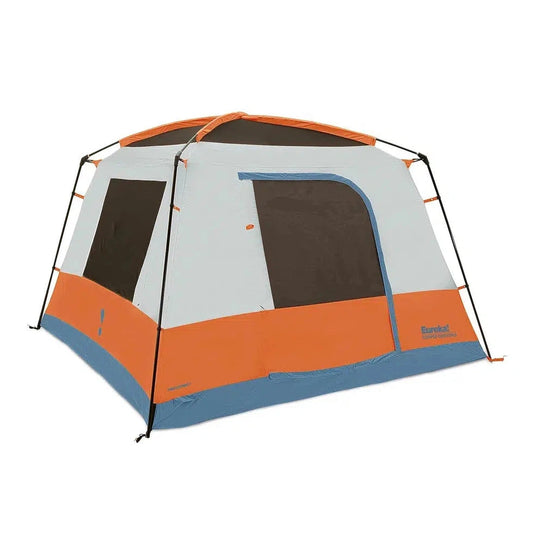
Family camping tents prioritize livable space, easy setup, and comfort for multiple sleepers. Cabin-style designs with near-vertical walls allow adults to stand upright inside, while large vestibules offer covered storage for muddy boots and wet gear. Look for models with room dividers, multiple doors, and large mesh windows for airflow. These outdoor tents are built for car camping and frontcountry campgrounds where weight is not a concern.
Backpacking Tents
Backpacking camping tents balance lightweight construction with reliable weather protection. Most weigh between 2 and 5 pounds and pack down small enough to fit inside or strap onto a
backpacking pack. Double-wall designs, a breathable inner tent paired with a waterproof rainfly, are the standard for managing condensation over multi-night trips. These are the best camping tents for hikers covering serious mileage on trails like the AT or PCT.
Car Camping and Basecamp Tents
Car camping outdoor tents are the right choice for groups and families who drive to their campsite. These larger shelters offer maximum interior volume, often include built-in room dividers, and prioritize comfort over packable size. Many feature E-port cable access for car camping with power, gear lofts for overhead storage, and extended vestibules for a covered common area. When weight does not matter, these camping tents give you the most livable outdoor space for the price.
Our Best-Selling Camping Tents
These are the outdoor camping tents our customers return to most, proven performers across different styles, terrains, and conditions.
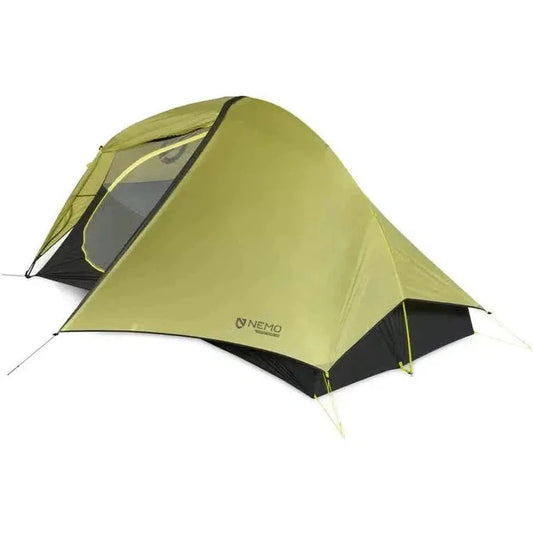
- Lightweight backpacking shelters: freestanding, double-wall tents in the 2 to 3 lb range that hold up in rain and wind without slowing you down on the trail.
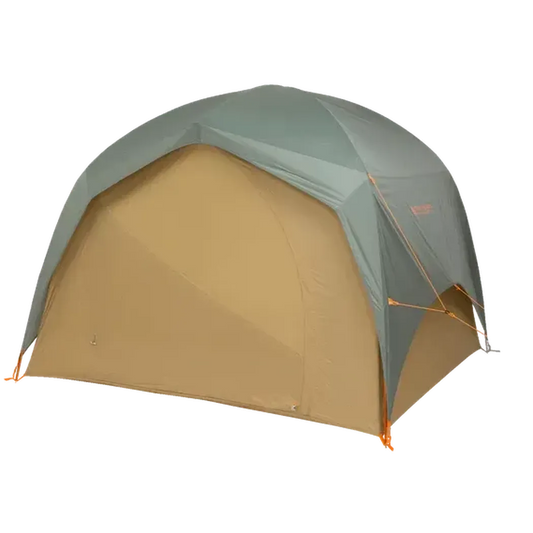
- Spacious family cabin tents: 6-person and 8-person designs with stand-up height, multiple doors, and full waterproof coverage for weekend campsite trips.
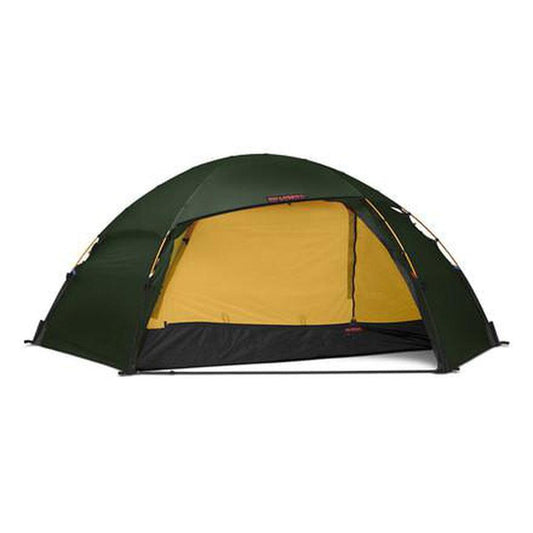
- Versatile 3-season dome tents: the reliable all-rounder for solo campers and couples who need camping tents that handle spring rain, summer nights, and fall conditions equally well.
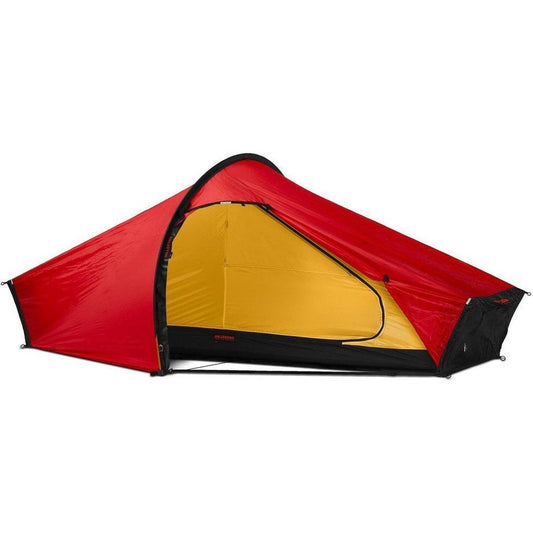
- Ultralight solo tents: minimalist shelters for fastpacking and thru-hiking where every ounce counts across long mileage days.
Browse the full selection above to filter by capacity, weight, and season rating.
Why Shop Camping Tents at Appalachian Outfitters
Appalachian Outfitters is a specialty outdoor retailer with deep roots in the hiking and camping community. We stock the best camping tents from trusted brands because we know the difference a well-made shelter makes when conditions turn against you.
- Expert-curated selection: every tent in our camping tents lineup is evaluated for real-world performance, not just spec-sheet numbers.
- Appalachian terrain knowledge: our team understands the conditions you are camping in, from humid mid-Atlantic summers to wet fall weather in the mountains.
- Complete outdoor sleep system: pair your outdoor camping tents with the right sleeping bags and sleeping pads for a setup built for your conditions.
- Tarps, hammocks and shelter accessories: round out your camp setup with our tarps and shelters collection for added coverage and versatile campsite options.
Frequently Asked Questions About Camping Tents
These are the questions our customers ask most when choosing the best tents for camping. If your question is not covered here, our team is available to help.
What is the best camping tent for a family of 4?
For a family of four with kids and gear, a 6-person tent is the practical choice. It provides enough floor space for four sleeping pads or air mattresses, plus room to store bags and boots inside. Look for camping tents with at least 6 feet of peak height so adults can stand comfortably, a large vestibule for wet gear, and a full rainfly for overnight storms.
Are waterproof tents for camping actually waterproof?
Yes, with the right setup. Waterproof tents for camping use coated fabrics rated by Hydrostatic Head (HH) measurement and taped seams to prevent water ingress. The steps that make the difference in the field: stake out the rainfly fully so it does not contact the inner tent, re-seam-seal your tent once a season if you camp frequently, and avoid pressing against the tent walls during rain. Most quality outdoor camping tents hold up perfectly through heavy rain when pitched correctly.
What is the difference between a 2-person and 3-person tent in terms of space?
A 3-person tent typically adds 10 to 15 square feet of floor space over a 2-person model. For a solo camper or a couple who wants room to spread out gear beside their sleeping area, stepping up to a 3-person tent is worth the modest weight increase, usually 8 to 12 ounces. Two adults with sleeping pads and day bags fit comfortably in a true 3-person tent without the cramped feel of a 2-person rated model.
How do I set up a camping tent alone?
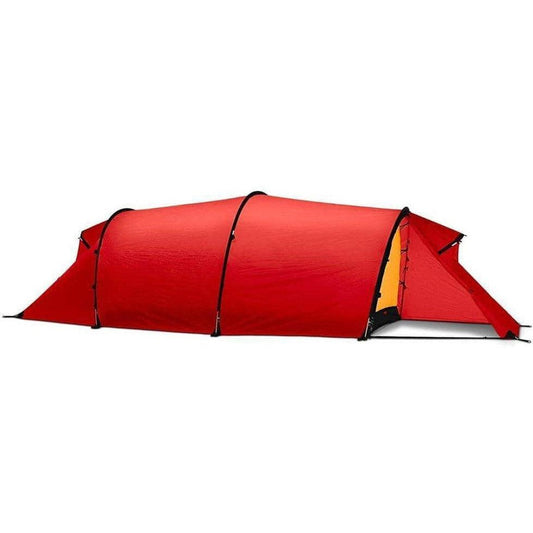
Most modern freestanding dome and tunnel camping tents are designed for solo setup. Color-coded poles and clips significantly speed up the process. The easiest approach: lay out the tent footprint first, thread or clip the poles through the sleeves, raise the structure, stake the corners, then attach the rainfly. Practice in your yard before your trip. Most outdoor tents that seem complex become second nature after one or two setups.
Can I use a 3-season tent in cold weather?
A 3-season tent handles cold weather well down to around 20 degrees F when paired with the right sleeping bag and pad system. The limitation in colder conditions is snow load. 3-season designs are not built to shed heavy, wet snow from the tent body. For shoulder-season camping in the Appalachian region, a quality 3-season outdoor camping tent performs reliably. For true winter camping with snow accumulation, a 4-season tent is the safer choice.
What accessories do I need with my tent?
A footprint or ground cloth protects your tent floor and extends its life, especially on rocky terrain. A tent repair kit with pole sleeves, seam sealer, and patch tape handles field fixes without requiring a full replacement. Extra guylines and stakes improve stability in wind. For backpacking trips, dry bags keep your packed camping tent protected inside your pack on wet trail days.
The right camping tent is the foundation of every trip, whether you are spending one night at a campground or ten days on the trail. Explore our full selection of outdoor camping tents above, filter by capacity and season rating to match your setup, and reach out if you need help choosing.

 Sold out
 Sold out
 Sold out
 NewSold out
 Sold out
 Sold out
 Sold out
 NewSold out
 Sold out
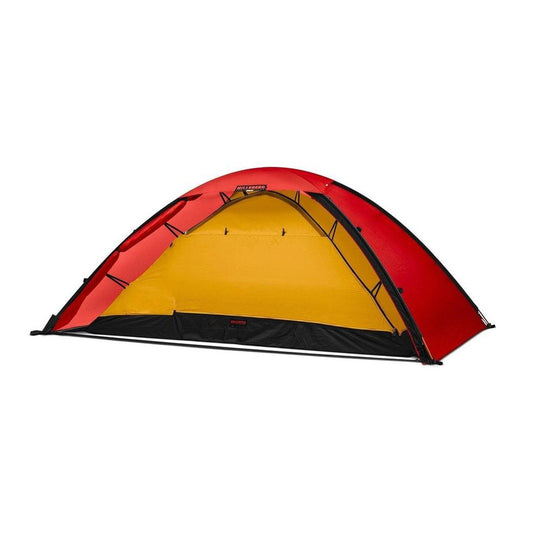 Sold out